


At Slotoro Casino, we know that real fun starts with feeling safe slotoros.ca. Logging into an online gaming site ought to seem like stepping into a well-guarded vault where your private information, payment info, and gameplay data are locked down tight. The dangers that pursue unsuspecting players have become smarter, and the online world has evolved fast. Understanding how modern casinos protect their platforms isn’t just for tech nerds these days. It’s a fundamental survival skill for anyone who plays a slot or places a bet online. We’ve spent years developing and enhancing our security setup, and we aim to demonstrate you precisely how that security works. From the second you open an account to the moment you initiate a withdrawal, a silent network of encryption protocols, authentication checkpoints, and monitoring systems stays on guard. This guide explains the key security steps that define a trustworthy gaming site. You’ll leave understanding how to play with confidence and identify red flags wherever you decide to play.
Number Generators and Fair Play Detailed
Any spin of a slot reel and any card dealt in a digital table game depends on a piece of software termed a Random Number Generator, or RNG. This algorithm produces thousands of number sequences per second, each one tied to a different game outcome. The exact instant you click determines which sequence locks in. The big security question is whether that RNG has been independently tested to confirm it’s truly random. We put our RNG systems through tough exams by accredited testing labs like eCOGRA and iTech Labs. They analyze millions of game rounds to detect any patterns or biases. A certified RNG assures that neither the casino nor the player can predict or manipulate results. That builds a level field where luck alone determines what happens. The testing process also checks the advertised Return to Player percentages, confirming that games pay out over the long run exactly as described. Without third-party certification, you’re basically trusting a casino to grade its own homework. That’s a situation open to hidden house edges and rigged odds. We maintain fairness isn’t a claim you make; it’s a standard you prove. That’s why our certification badges link straight to verifiable reports that anyone can inspect.
Privacy Policies and Responsible Information Handling
Gathering personal information is a essential part of setting up an account and fulfilling regulatory requirements. But what transpires to that data afterward is what shapes a casino’s true commitment to player protection. We work under strict privacy policies that align with Canadian data protection principles and international standards like the General Data Protection Regulation. We obtain only the information we truly need, store it on encrypted servers with tight access controls, and never sell or rent your details to third-party marketers. Our privacy policy is written in plain language, not legal jargon designed to hide uncomfortable truths. It outlines exactly what data we obtain, why we need it, how long we keep it, and who might process it on our behalf, like payment providers and identity verification services. We also respect your right to ask for data deletion or export, offering you real control over your digital footprint. In an industry where data is so valuable, choosing a casino that treats your personal information as a serious responsibility instead of a commodity is one of the most important security decisions you can take.
How Licensing and Regulation Protect Canadian Players
A solid license is the cornerstone that every other security measure relies upon. A properly licensed casino operates under the supervision of a regulatory body that upholds strict rules about keeping player funds separate, ensuring fair games, and safeguarding data. For Canadian players, recognizing a valid license means knowing which jurisdictions actually enforce meaningful standards. Reputable authorities like the Malta Gaming Authority, the Kahnawake Gaming Commission, and the Alcohol and Gaming Commission of Ontario require operators to pass regular audits, keep minimum cash reserves, and run thorough anti-money laundering procedures. These regulators can issue massive fines or withdraw an operating permit if a casino is unable to protect its players. We show our licensing information publicly because transparency isn’t optional. It’s a legal and moral obligation. Go to the footer of any gaming site and you should see a license number and a clickable seal that points to an official registry. If that information is buried, outdated, or missing altogether, you’re looking at an unregulated platform where your money sits at the mercy of strangers. Licensing transforms a casino from a black box into an accountable business with real-world consequences for misconduct.
Responsible Gaming Tools as a Safety Feature
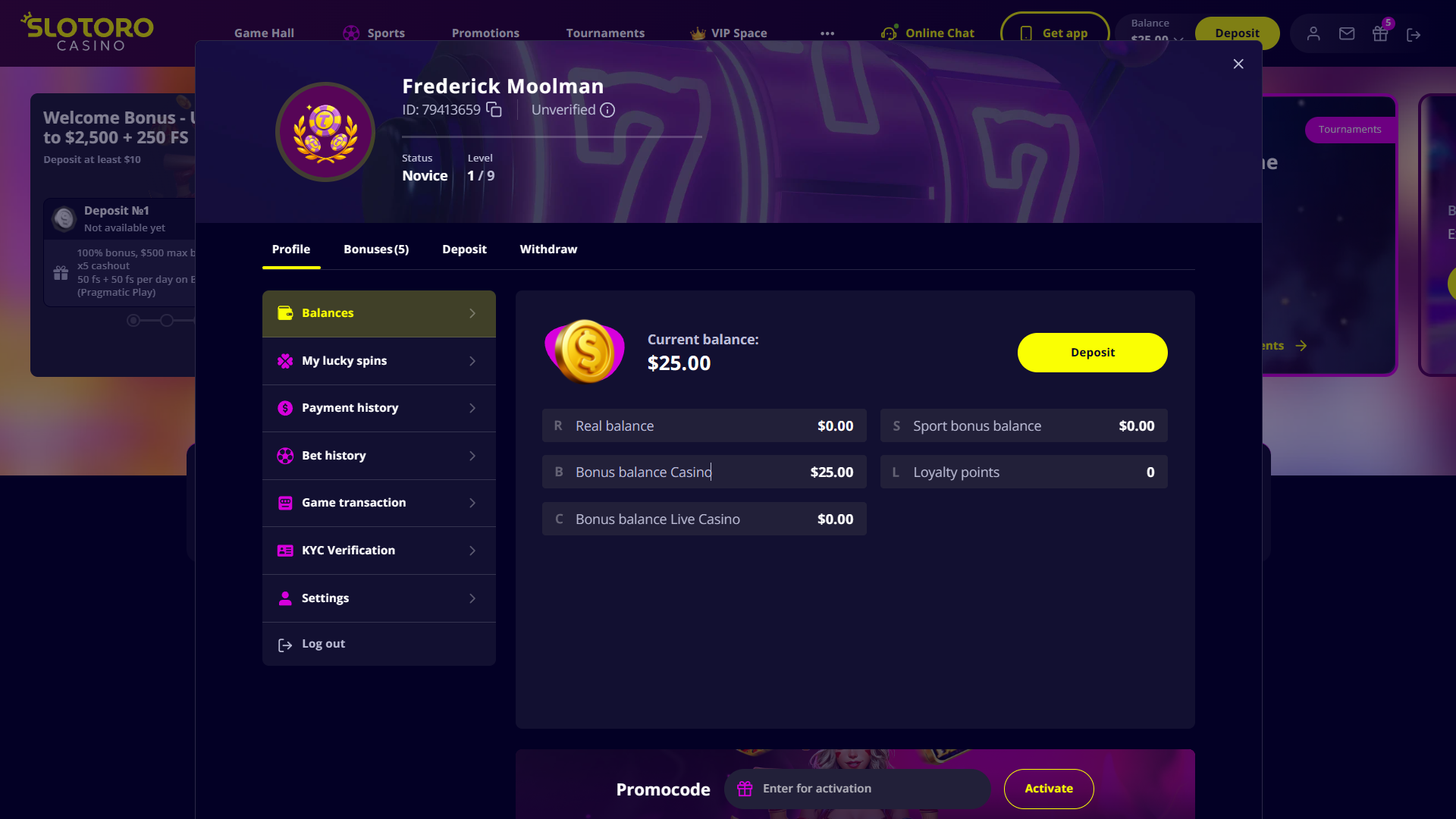
Security goes beyond safeguarding your data and your money. It also means protecting you from the possible risks of excessive play. We see responsible gaming tools as essential safety gear, much like airbags in a car. Our platform includes flexible deposit limits that let you set daily, weekly, or monthly spending before a single dollar is wagered. Reality check timers pop up at intervals you set, alerting you how long you’ve been playing and giving you a natural moment to step back and reassess. Self-exclusion options let you freely lock your account for cooling-off periods varying from 24 hours to permanent closure. Our support team handles these requests with zero judgment and immediate action. We also offer direct links to professional support organizations like the Responsible Gambling Council and ConnexOntario, so help is always one click away. These tools aren’t buried in fine print or hidden behind layers of menus. They reside in a dedicated section of your account dashboard. A casino that takes security genuinely knows that the worst breach isn’t always financial. Sometimes it’s personal, and we craft our safeguards with that in mind.
The reason Encryption Technology Is Your First Line of Defense
Data encoding is the invisible shield that protects every scrap of data moving between your device and our servers. Imagine an unbreakable code that scrambles your personal information into unreadable data for anyone attempting to intercept it. We use Transport Layer Security, the technology behind the padlock icon in your browser bar. It maintains your login credentials, banking details, and even casual chat messages completely private. Without it, sensitive data would travel across the internet as plain text, accessible by anyone with basic interception tools. Encryption strength is measured in bits, and any modern casino should use at least 128-bit or 256-bit encryption. Those are the same standards major banks use worldwide. When you see that padlock symbol and a URL that starts with HTTPS, you’re seeing encryption do its job. We update our certificates and cipher suites regularly to stay ahead of new vulnerabilities, because cybercriminals never stop searching for cracks in old systems. This foundational layer operates silently in the background, but if it were missing, the damage would be immediate. Every deposit, every hand of cards would turn into a potential data leak waiting to happen.
Account Authentication and Dual-Factor Verification
Your passcode is the gateway to your gaming account, but a single key isn’t enough anymore. Credential theft has gotten too sophisticated. We push hard for two-factor authentication, or 2FA, which introduces a additional lock that only you can access. After you enter your password, 2FA asks for a time-sensitive code created by an authenticator app on your smartphone or delivered via SMS. That signifies even if a hacker steals your login credentials through a data breach or phishing scam, they simply can’t enter your account without physically possessing your mobile device. We’ve set up 2FA as an voluntary feature, but we greatly recommend it, and we’re heading toward making it a mandatory requirement for high-value transactions. Beyond 2FA, our systems monitor login patterns and flag anything unusual, like access attempts from unknown locations or devices. If we detect a login from a Toronto IP address when you typically play from Vancouver, our automated defenses activate extra identity checks. These authentication layers work together to guarantee you, and only you, can reach your balance, receive bonuses, and request payouts.
Security Audits and Ongoing Surveillance Behind the Scenes
What occurs when you’re not engaged in gameplay is equally important as the defenses you encounter during a session. Our security operations center runs 24/7, with self-running programs and human analysts scanning for intrusion attempts, odd traffic patterns, and likely flaws. Independent security firms perform regular penetration tests. They basically bring in ethical hackers to test our systems and discover weaknesses before criminals can. These audits reach much further than reviewing for software patches. They simulate real-world attack scenarios, like DDoS assaults, SQL injection attempts, and social engineering penetration. We also complete annual compliance audits where outside assessors confirm that every security claim we make is supported by working technology and documented procedures. The results drive continuous improvements, because security isn’t a product you set up once. It’s a process you uphold forever. When you select a casino that puts resources in ongoing security testing and transparent reporting, you’re supporting an operator that treats protection as a core business function, not a marketing bullet point. That commitment is what differentiates a platform you can trust from one you just pray is safe.
Protected Payment Gateways and Banking Protection
Financial transactions are the point of highest vulnerability in any online interaction. That’s why we’ve established multiple layers of defense around our deposit and withdrawal systems. Secure payment gateways serve like armored couriers, moving your money between your bank or e-wallet and your casino account without ever exposing your full financial details to the gaming platform itself. We work with PCI DSS-compliant processors, so credit card data handling meets the same strict standards demanded by major retailers and banks. Tokenization swaps your sensitive card number with a unique digital identifier that’s useless if stolen. 3D Secure authentication adds an extra verification step through your bank’s own app or SMS system. For Canadian players, Interac e-Transfer and Interac Online offer additional layers of bank-level security, using the same infrastructure you already trust for everyday bill payments. We also enforce withdrawal verification protocols that require identity confirmation before funds leave our system. That stops unauthorized cashouts even if someone gets into your account. These measures create a chain of custody that protects your money from the moment you decide to deposit until it lands safely back in your personal account.
Spotting and Evading Phishing Scams Targeting Casino Players
All the complex security infrastructure in the world can be negated in a second if a player provides their credentials to a scammer without being aware. Phishing attacks targeting casino players have gotten more and more convincing. They often arrive as emails or text messages that copy official branding and tone flawlessly. These messages usually claim your account has been compromised, you’ve received a bonus that needs immediate claiming, or your verification documents are about to lapse. They include links to fake login pages crafted to steal your username and password the moment you type them. We will never ask you to click an unsolicited link to confirm your account or redeem a reward. Every authentic message from us advises you to type our URL directly into your browser or use our official mobile app. We encourage you to bookmark the real Slotoro Casino website and only access it through that bookmark. If you ever get a suspicious message, forward it to our support team before you perform anything else. Staying alert against social engineering is a partnership. We provide the technical defenses, but your awareness is the human firewall that rounds out the security picture.
FAQ
What is the way to confirm that an online casino is properly licensed?
Navigate to the bottom of the casino’s homepage and search for a license seal or registration number, generally from authorities like the Malta Gaming Authority, Kahnawake Gaming Commission, or AGCO. Click the seal. It should point directly to the regulator’s official registry showing the operator’s current status. If the seal cannot be clicked or the license number is missing, reach out to support and ask for their registration details. A legitimate casino will offer you this information right away, no hesitation.
What does SSL encryption actually safeguard my data?
SSL, now more accurately known as TLS encryption, encrypts all information exchanged between your browser and the casino’s servers into unreadable ciphertext. When you type in your password, credit card number, or home address, encryption guarantees anyone intercepting that data views only random characters. You can check active encryption by seeing the padlock icon in your address bar and checking that the URL starts with HTTPS, not HTTP. This technology is non-negotiable for safe gaming.
Can I trust my funds if the casino company encounters financial trouble?
This is determined by the regulatory framework. Casinos regulated by top-tier regulators must keep player funds in protected accounts, legally separate from operating capital. If the company faces bankruptcy, your money stays protected and can be refunded. Unregulated casinos often mix player deposits with business funds, leaving your balance at risk. https://en.wikipedia.org/wiki/%C2%BFQu%C3%A9_apostamos%3F Always check the license terms about fund segregation, and choose casinos that transparently share their player fund protection policies in writing.
How can I tell that slot games are not manipulated against me?
Independent testing agencies like eCOGRA, iTech Labs, and GLI validate game fairness by analyzing millions of simulated rounds. They confirm that outcomes are truly random and correspond to the published Return to Player percentages. Find their certification badges on the casino’s website. Those badges should point to verifiable reports. These labs evaluate both the Random Number Generator and the game math, making sure neither the casino nor the software provider can alter results after certification is granted.
How should I proceed if I suspect my account has been accessed by someone else?
Update your password as soon as possible and turn on two-factor authentication if you haven’t already. Reach out to customer support using the official website or app, avoid through links in suspicious emails, and demand a temporary account freeze as the security team investigates. Review your transaction history for any unauthorized deposits or withdrawals and note anything unusual. A responsive casino will freeze the account, confirm your identity, and return any lost funds if a breach is confirmed.
Is it secure to save my payment card details on a casino site?
Storing card details is convenient but introduces extra risk if the platform ever gets compromised. Trustworthy casinos use tokenization, holding a worthless digital token instead of your actual card number. Even if a breach happens, the token can’t be used anywhere else. We advise turning on two-factor authentication before saving any payment info, and frequently reviewing your saved cards. If you want maximum security, enter your details manually for each deposit instead of keeping them permanently.
How exactly do responsible gaming tools actually protect me?
Deposit restrictions curb excessive spending by capping how much you can deposit into your account within specific intervals. Session reminders interrupt extended play with notifications showing time spent and expenditure. They break the absorbed condition that can cause poor decisions. Self-exclusion tools provide a hard barrier when you notice concerning habits, blocking access for a selected duration. Combined, these tools build organized limits that ensure gaming enjoyable instead of harmful.